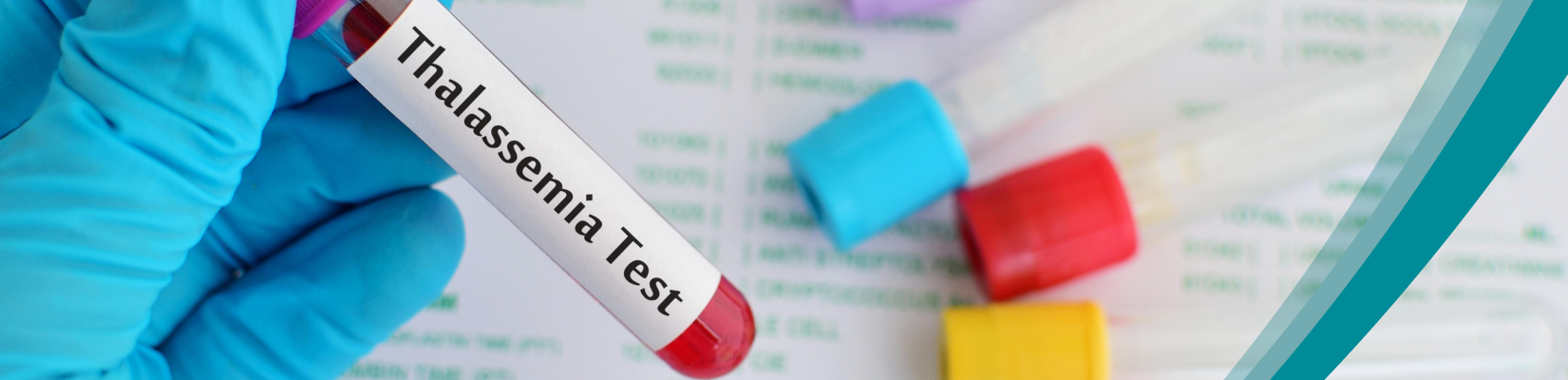
Beta-thalassaemia is an inherited blood disorder characterised by reduced or absent production of beta-globin chains, which are required for normal haemoglobin formation. Depending on the genetic variants involved, the condition can range from a mild carrier state to severe anaemia requiring regular medical care.
The condition is particularly prevalent among populations with ancestry from the Mediterranean region, the Middle East, South Asia and Southeast Asia.
Beta-thalassaemia remains an important public health concern in many parts of the world, particularly in regions where carrier prevalence is higher. Early identification of carriers, especially before or during pregnancy, can help individuals and families understand their reproductive risks and access appropriate genetic counselling. This makes screening an important part of preventive healthcare across different populations.
The Role of Early Detection in Beta-Thalassaemia
Early detection of beta-thalassaemia allows healthcare professionals to identify affected individuals, recognise carriers and determine whether further testing or clinical management is required.
People with beta-thalassaemia trait may have mild anaemia or no noticeable symptoms. Without screening, their carrier status may remain undetected. In more severe forms of the condition, early diagnosis can support timely monitoring and appropriate treatment.
Carrier screening is particularly relevant for individuals and couples planning a pregnancy or expecting a child, especially where there is a family history of thalassaemia or an increased likelihood of carrying a relevant genetic variant.
Laboratory investigations generally begin with a complete blood count (CBC), followed by additional testing where indicated. These may include iron studies, haemoglobin fraction analysis and, in selected cases, molecular genetic testing.
The Role of Haematology Analysers in Thalassaemia Screening
Automated haematology analysers provide important information about red blood cell characteristics through a complete blood count.
Parameters such as mean corpuscular volume (MCV), mean corpuscular haemoglobin (MCH), mean corpuscular haemoglobin concentration (MCHC) and red cell distribution width (RDW) can help identify abnormalities that warrant further investigation.
Individuals with beta-thalassaemia trait commonly have reduced MCV and MCH values, indicating smaller red blood cells with lower haemoglobin content.
However, similar findings may occur in iron deficiency anaemia and other conditions. Red blood cell indices therefore serve as useful screening indicators but cannot independently confirm beta-thalassaemia.
Haemoglobin Analysis: The Role of HbA2 and HbF
Haemoglobin fraction analysis is an important part of investigating suspected beta-thalassaemia.
Techniques such as high-performance liquid chromatography (HPLC), capillary electrophoresis and conventional haemoglobin electrophoresis can be used to assess different haemoglobin fractions, including haemoglobin A (HbA), haemoglobin A2 (HbA2) and fetal haemoglobin (HbF).
In adults with beta-thalassaemia trait, HbA2 levels are often elevated. HbF may also be increased, although patterns vary depending on the form of beta-thalassaemia and the individual’s genetic characteristics.
An elevated HbA2 level can support the identification of beta-thalassaemia carriers, but borderline or atypical results may require additional investigation. Iron deficiency and coexisting haemoglobin disorders can also complicate interpretation.
For this reason, haemoglobin analysis should be interpreted alongside CBC findings, iron studies and clinical information.
Red Blood Cell Indices in Beta-Thalassaemia Screening
Red blood cell indices can help distinguish patterns associated with beta-thalassaemia trait from those seen in other causes of anaemia.
A reduced MCV indicates microcytosis, while a reduced MCH reflects a lower amount of haemoglobin per red blood cell. Individuals with beta-thalassaemia trait may also have a relatively high red blood cell count despite reduced MCV values.
Iron deficiency anaemia can produce similar changes, making further laboratory assessment important.
Automated haematology analysers help laboratories measure these parameters consistently and identify results that may require additional testing.
Mentzer Index and RDWI: Supporting Differentiation from Iron Deficiency Anaemia
The Mentzer Index and Red Cell Distribution Width Index (RDWI) are calculated parameters that can assist in the preliminary assessment of microcytic anaemia.
The Mentzer Index is calculated by dividing MCV by the red blood cell count. A value below 13 is commonly associated with thalassaemia trait, while a value above 13 may suggest iron deficiency anaemia. These thresholds are screening guides rather than definitive diagnostic criteria.
RDWI incorporates MCV, RDW and red blood cell count to help assess differences between thalassaemia trait and iron deficiency anaemia.
Although these indices can support the initial interpretation of CBC results, their diagnostic performance varies across patient populations. They should not replace iron studies, haemoglobin analysis or other confirmatory investigations when indicated.
Erba’s Haematology Solutions for Beta-Thalassaemia Screening
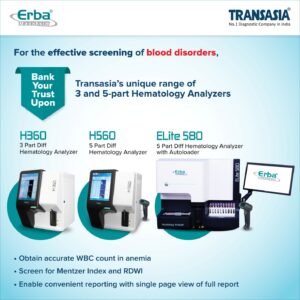
Erba Mannheim offers a range of automated 3-part and 5-part differential haematology analysers designed to support routine blood testing in laboratories with varying workloads and operational requirements.
These systems provide complete blood count parameters that can assist laboratory professionals in identifying red blood cell abnormalities associated with conditions such as iron deficiency anaemia and beta-thalassaemia trait.
Erba’s haematology portfolio includes the H 360, H 560, Elite 580 and H 7100, providing laboratories with a range of options for routine haematological analysis.
Depending on the analyser model and software configuration, available parameters may include calculated indices such as the Mentzer Index and RDWI, which can support the preliminary differentiation of microcytic anaemia.
Selected systems also offer additional haematological parameters and analytical capabilities to support broader laboratory investigations.
By providing accurate and consistent CBC measurements, automated haematology analysers contribute to the initial assessment of suspected blood disorders. Confirmatory testing remains necessary when beta-thalassaemia is suspected.
Why Early Screening Matters
Early detection of beta-thalassaemia can help identify affected individuals and carriers before complications arise or important reproductive decisions are made.
Complete blood counts, red blood cell indices and haemoglobin fraction analysis each contribute to the screening process. When interpreted together with clinical findings and appropriate follow-up investigations, these tests help healthcare professionals distinguish beta-thalassaemia from other causes of anaemia.
For laboratories, reliable haematology testing remains an important starting point. Automated analysers provide the measurements needed to recognise suspicious blood count patterns and support further investigation.
Early screening does not simply identify a blood disorder. It provides individuals and families with information that can guide appropriate care, counselling and future decisions.
Frequently Asked Questions About Beta-Thalassaemia Screening
What is the first test for beta-thalassaemia?
A complete blood count is commonly used as an initial investigation. Reduced MCV and MCH values may suggest beta-thalassaemia trait, but additional tests are needed to distinguish it from iron deficiency and other conditions.
Can a CBC detect beta-thalassaemia?
A CBC can identify blood count patterns associated with beta-thalassaemia, but it cannot independently confirm the condition. Haemoglobin fraction analysis and, in selected cases, genetic testing may be required.
What is the role of HbA2 in beta-thalassaemia screening?
Elevated HbA2 is a characteristic finding in many adults with beta-thalassaemia trait. Results must be interpreted alongside red blood cell indices, iron status and other clinical information.
What is the difference between iron deficiency anaemia and beta-thalassaemia trait?
Both conditions can cause small red blood cells and reduced haemoglobin content. Iron studies, haemoglobin analysis and other laboratory findings help healthcare professionals distinguish between them.
Why is carrier screening important?
Carrier screening helps individuals and couples understand whether they carry genetic variants associated with beta-thalassaemia. When both biological parents are carriers, genetic counselling can explain the risks for their children and available reproductive options.
References:
- GeneReviews: Beta-Thalassemia — Clinical overview covering diagnosis, genetic characteristics and management.
- Prevention of Thalassaemias and Other Haemoglobin Disorders: Screening and Diagnosis — Reference covering screening methods and laboratory investigations.
- Laboratory Evaluation of Beta Thalassemia — Reference covering laboratory testing and interpretation.
- Thiyagarajan A, Bhattacharya S, Sharma N, Srivastava A, Dhar DK. Need for a universal thalassemia screening programme in India? A public health perspective. Journal of Family Medicine and Primary Care. 2019;8(5):1528–1532.

